ATC CNC Router for Cabinet Making: Applications and Buying Guide
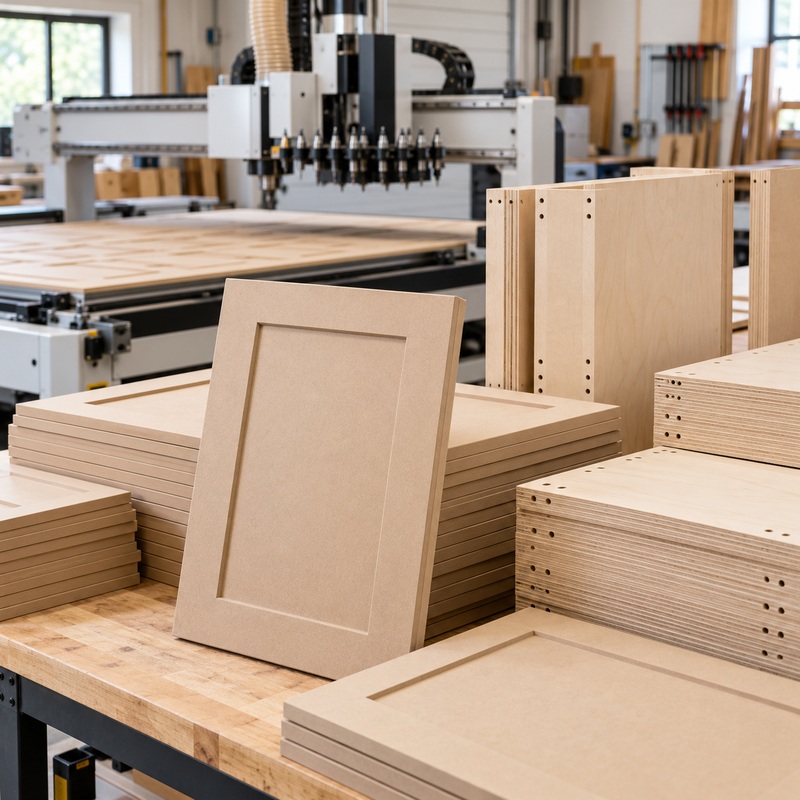
An ATC CNC router for cabinet making uses an automatic tool changer to switch between compatible cutters during a programmed job. With suitable tooling, software and workholding, it can cut cabinet parts, route grooves and machine decorative door profiles. It is particularly useful when a job needs several tools and repeated manual changes interrupt production.
ATC stands for automatic tool changer. The machine stores prepared tools in a magazine and selects them according to the machining program. Each tool must have the correct holder, tool number and measured length offset.
Automatic tool changing reduces manual intervention between machining operations. It does not replace correct programming, setup checks or operator supervision. The available operations depend on the spindle, machine structure, accessories and software configuration.
Cabinet Doors and Decorative Profiles
MDF cabinet doors often require several machining operations, such as panel profiling, recessed details and final trimming. An ATC router can select different cutters for these operations within a prepared program.
A routed MDF door is still an unfinished component. Sanding, sealing and painting may be needed after machining. Cutter condition, feed settings and dust extraction affect the quality of the machined surface.
For solid wood doors, confirm the construction method and workholding before choosing a machine. A shaped panel and a complete frame-and-panel door require different production steps.

Cabinet Panels, Grooves and Shelf Holes
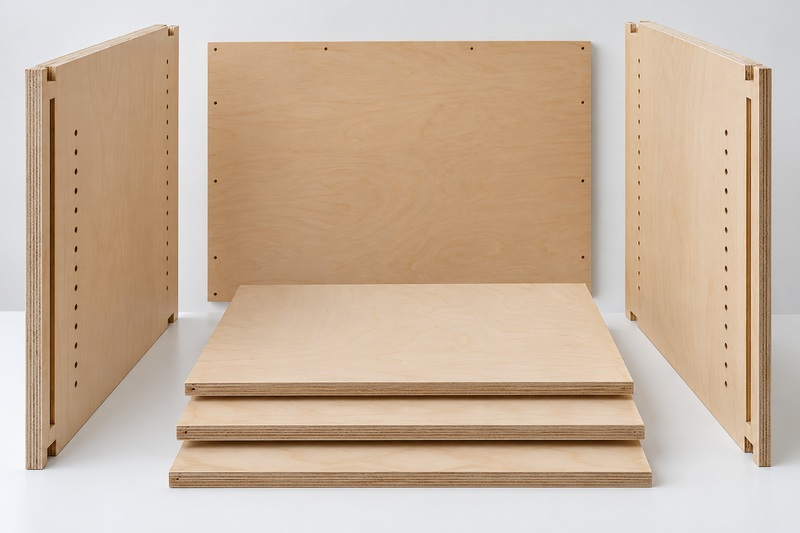
Plywood and other suitable sheet materials can be machined into cabinet sides, shelves and related components. Typical operations include cutting external outlines, routing grooves and producing vertical holes with appropriate tooling.
Confirm horizontal drilling separately. A standard vertical spindle does not automatically provide edge drilling. A suitable boring head, aggregate or separate drilling machine may be required.
Small parts need particular attention to hold-down. Review vacuum zones, spoilboard condition, material coverage and the machining sequence before cutting. Automatic tool changing cannot compensate for a part that moves during machining.
Decorative Furniture and Interior Panels
Beyond cabinet components, appropriately configured ATC routers can produce decorative wall panels, furniture details and carved wood patterns. A job may use one cutter to remove material and another to machine finer details.
A larger tool magazine is useful only when the production process needs those tools. Select capacity around actual jobs, spare tools and likely future work rather than assuming that more tool positions always mean better productivity.

Linear vs. Carousel Tool Changers
A linear tool changer stores tool holders in a row. A carousel tool changer stores them around a rotating magazine. Both arrangements can support jobs that require several cutters.
Compare the complete machine layout, tool access, permitted tool dimensions and maintenance requirements. Ask the supplier to demonstrate a representative job, including every tool change. Magazine style alone does not determine the fastest overall production cycle.
How to Choose an ATC CNC Router for Cabinet Making
Start with the parts you intend to produce, then check these requirements:
Working area: Confirm that the table and usable machining envelope accommodate your sheet sizes and fixtures.
Spindle and tooling: Match the spindle, holders and cutters to the materials and operations.
Workholding: Request a demonstration with your smallest parts as well as full sheets.
Drilling capability: Specify vertical holes, horizontal holes and hinge details separately.
Software: Verify nesting, tool libraries and a postprocessor compatible with the supplied controller.
Utilities: Confirm electrical supply, compressed air and dust extraction requirements.
Support: Ask about installation, operator training, documentation and replacement parts.
Request a sample cutting test using your material and drawings. Evaluate dimensions, edge finish, part stability and total processing time. Include loading, tool changes and unloading when comparing cycle times.
ATC CNC Router vs. Manual Tool Change Router
An ATC router deserves consideration when production regularly requires several cutters, repeated door profiles or mixed machining operations. A manual tool change router may be sufficient when jobs usually use one cutter and production volume is modest.
Calculate the value of automation from actual tool-change frequency and operator time. Do not assume a fixed percentage increase in productivity: the result depends on the complete workflow, including programming, material handling and finishing.
Frequently Asked Questions
Can an ATC CNC router process MDF and plywood?
Yes, when the machine configuration, cutters, workholding and dust extraction suit the material and operation. Test the actual board grade before production.
Does automatic tool changing include automatic loading?
No. Automatic tool changing, automatic loading and automatic unloading are separate capabilities. Confirm each item in the machine quotation.
Can one router complete every cabinet operation?
Not necessarily. Edgebanding, some drilling tasks, finishing and assembly can require additional equipment. Define the complete cabinet production process before selecting a router.
What should I send when requesting a quotation?
Provide material types, sheet sizes, thicknesses, part drawings, required operations, expected output and available utilities. Ask Eastrise to recommend a configuration and confirm its capabilities through a sample machining test.


 English



