Aluminum Channel Letter Bending Machine: Applications, Benefits, and How to Choose
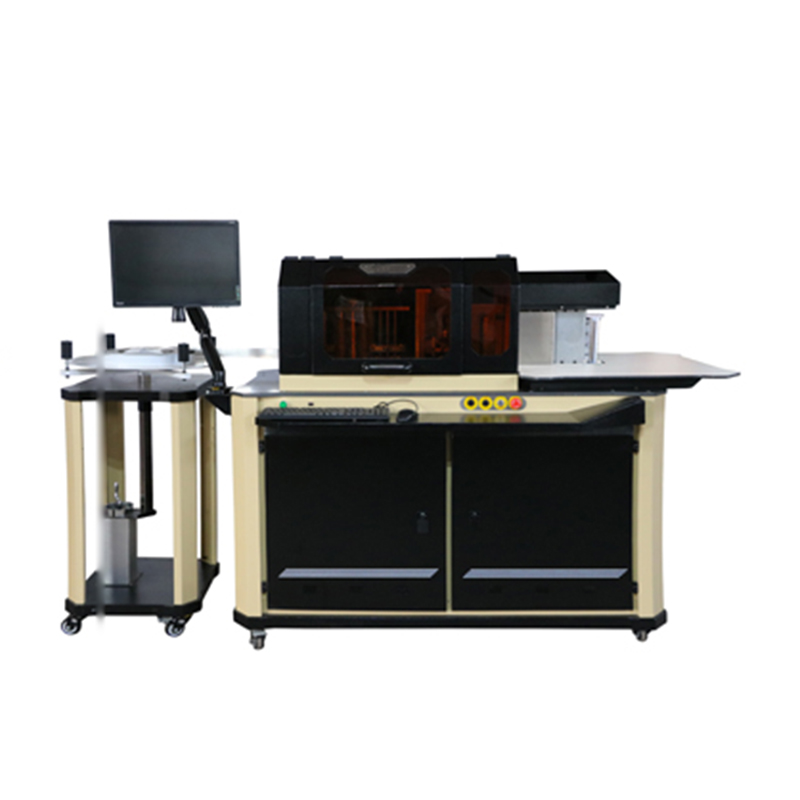
An aluminum channel letter bending machine is an essential piece of equipment for sign manufacturers that produce three-dimensional letters, illuminated signs, logos, and custom advertising displays. By automatically feeding, cutting or slotting, and bending aluminum strips according to a digital design, a CNC channel letter bender helps improve production consistency and reduce repetitive manual work.
For sign shops and advertising manufacturers, choosing the right aluminum letter bending machine can make it easier to handle custom designs, maintain consistent letter shapes, and manage both small-batch orders and larger production runs.
In this guide, we explain how aluminum channel letter bending machines work, their main applications, the benefits of CNC automation, and the factors to consider when selecting equipment for your business.
1. What Is an Aluminum Channel Letter Bending Machine?
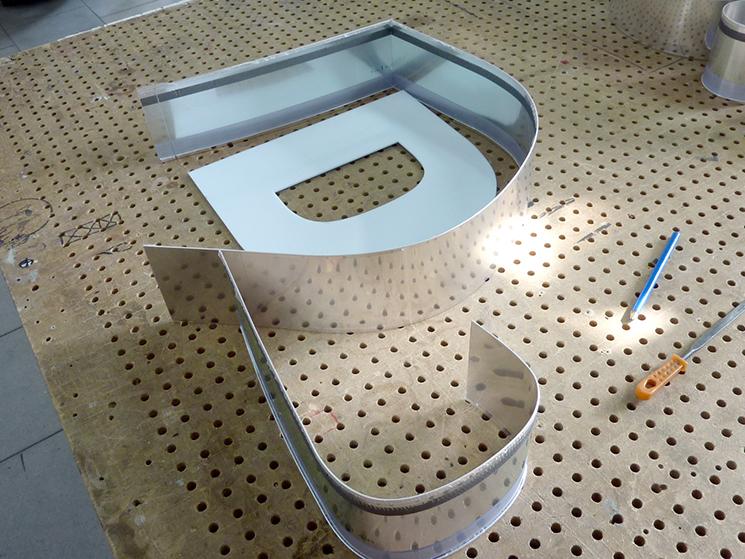
An aluminum channel letter bending machine is designed to shape aluminum strips or compatible aluminum profiles into the sidewalls, also known as returns, of three-dimensional sign letters.
These returns are assembled with letter faces and backing components to create channel letters. Depending on the sign design, the finished letters may incorporate LED modules for front illumination or halo lighting.
A CNC channel letter bending machine uses digital design data and programmed movements to control material feeding and bending. Depending on the machine configuration, it may also perform cutting, notching, or slotting operations.
Compared with manual fabrication, CNC processing can reduce repeated measuring and forming work while helping operators produce more consistent results.
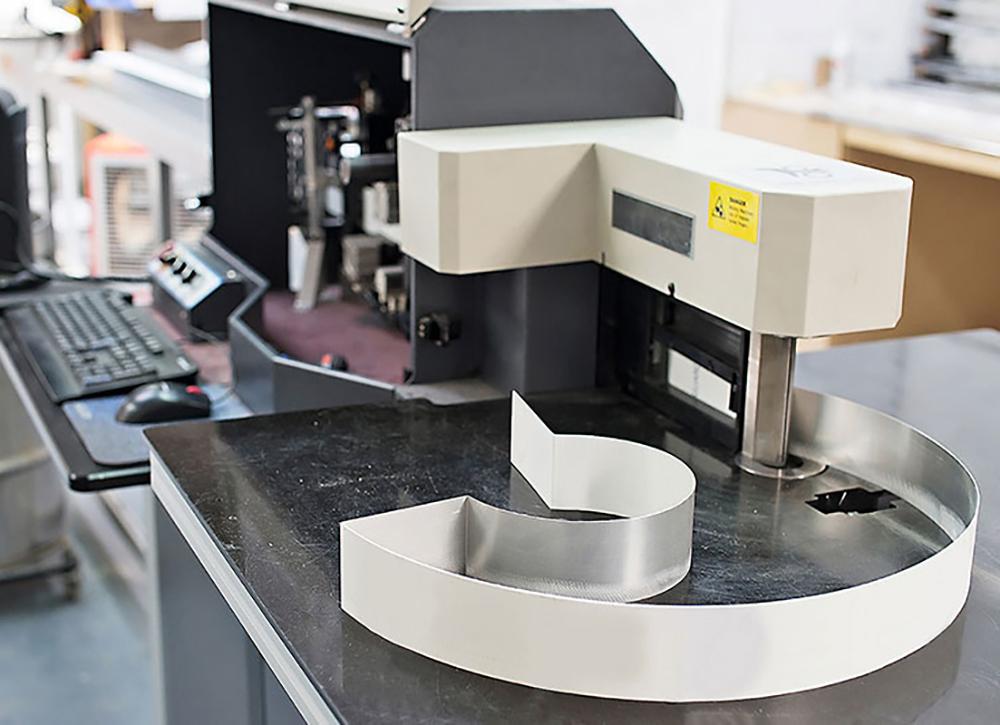
2. How Does a CNC Aluminum Letter Bending Machine Work?
Although machine configurations vary, the production process typically includes the following steps.
Step 1: Prepare the Letter Design
Create the letter or logo outline using compatible design software. Depending on the machine's control system, supported file formats may include DXF, AI, or PLT. Always check the manufacturer's software requirements before purchasing.
Step 2: Load the Aluminum Material
Load the appropriate aluminum strip, coil, or profile into the feeding system. The material must match the machine's supported dimensions, thickness, and profile specifications.
Step 3: Feed and Process the Material
The machine feeds the material according to the programmed outline. Depending on its configuration, it may perform automatic cutting, notching, or slotting to prepare the material for bending.
Step 4: Bend the Aluminum Strip
The bending mechanism forms straight sections, corners, and curves to match the letter design. Correct material settings and tooling are important for achieving smooth curves and minimizing surface damage.
Step 5: Assemble the Channel Letter
The formed aluminum return is assembled with the appropriate face and backing components. LED modules and wiring may be added for illuminated signage, depending on the finished product design.
The exact workflow varies by machine model and channel letter construction method.
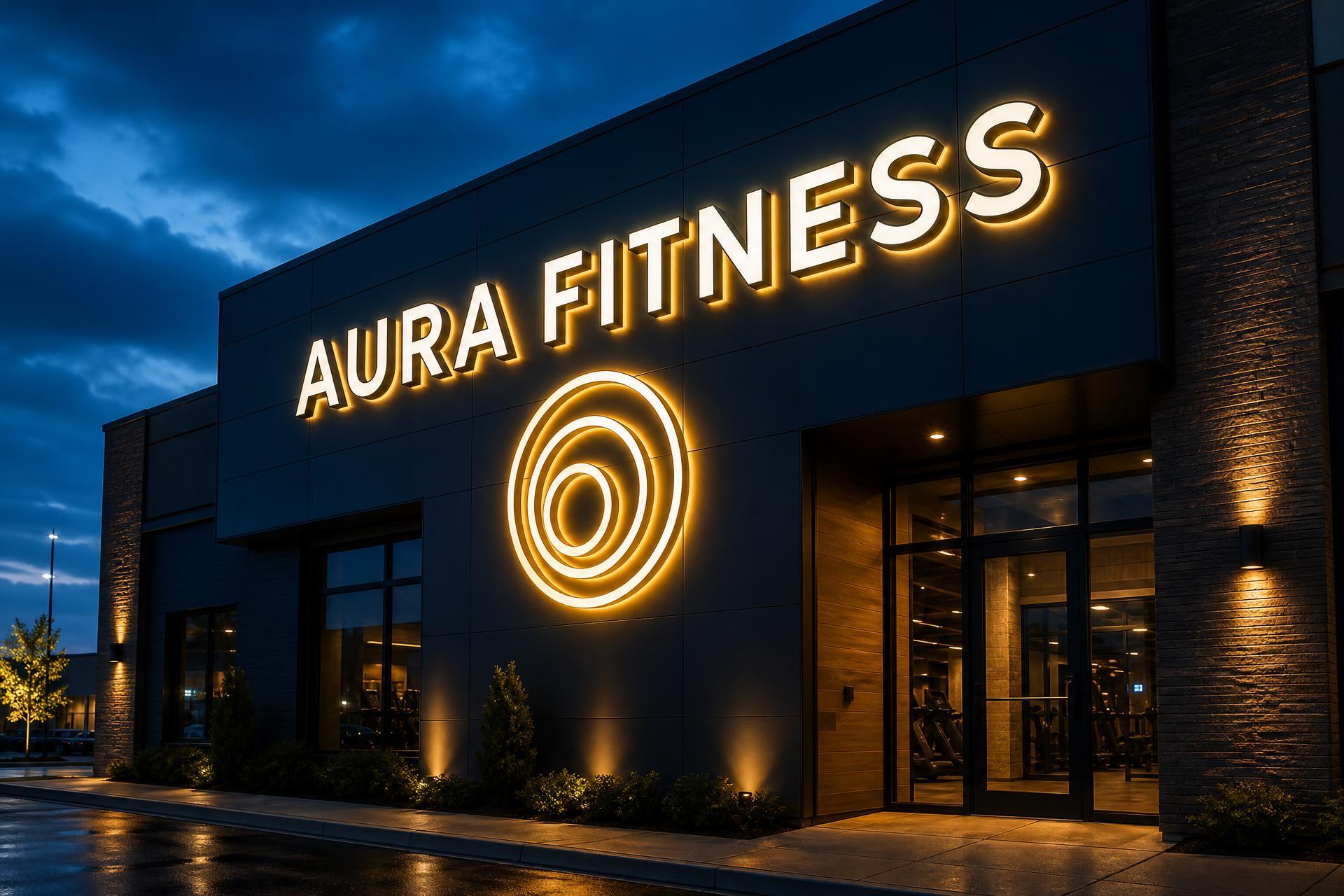
3. Main Applications of Aluminum Channel Letter Bending Machines
An aluminum channel letter bender is widely used in sign-making workshops and advertising production facilities. Common applications include the following.
3.1 Illuminated Channel Letters
Illuminated channel letters are frequently used for retail storefronts, restaurants, shopping centers, hotels, and commercial buildings. Aluminum returns form the sides of the letters and help create a three-dimensional structure.
When combined with suitable faces, backing materials, and LED lighting, these components can be used to manufacture custom illuminated signs.
3.2 Storefront Logos and Brand Signs
Businesses often require customized logos and lettering that match their brand identity. A CNC letter bending machine helps sign manufacturers reproduce curved and angular letter outlines with more consistent dimensions across a set of characters.
This is useful for producing branded signage for chain stores, offices, showrooms, and commercial properties.
3.3 Indoor Advertising and Reception Signs
Three-dimensional aluminum letters can also be used for reception areas, exhibition displays, interior branding, and directional signage. Material finishes and lighting arrangements can be selected according to the intended appearance and installation environment.
3.4 Custom Shapes and Decorative Lettering
Some signage projects require distinctive fonts, curved characters, symbols, or custom logo outlines. CNC-controlled bending can simplify the production of repeated shapes, provided the design falls within the machine's minimum bending radius and material limitations.
3.5 Batch Production for Sign Shops
For workshops that regularly manufacture channel letters, CNC automation can help standardize repetitive production tasks. It can also make it easier to switch between jobs when the machine software and material setup support the required designs.
4. Key Benefits of Using a CNC Aluminum Channel Letter Bender
Improved Shape Consistency
Manual bending relies heavily on operator skill and repeated measurements. CNC control can help maintain more consistent letter dimensions and bending paths across multiple pieces when the material and machine are correctly set up.
More Efficient Production
Automated feeding and programmed bending reduce some repetitive manual operations. Depending on the design and machine configuration, this can shorten production time and help sign manufacturers handle more orders with the same team.
Greater Design Flexibility
A CNC channel letter bending machine can process a range of letter outlines, curves, and logos within its supported operating limits. This gives sign shops greater flexibility when producing custom signage.
Reduced Manual Work and Rework
Consistent processing can reduce the need for repeated adjustments and corrections. Actual material savings depend on the accuracy of the original design, the machine setup, material quality, and operator experience.
Better Production Repeatability
For projects requiring multiple copies of the same lettering, stored designs and repeatable machine settings can help maintain consistency between production batches.
5. How to Choose the Right Aluminum Channel Letter Bending Machine
The right machine depends on your materials, production volume, sign designs, and budget. Before purchasing, evaluate the following factors.
Material Compatibility
Confirm which materials the machine supports, such as flat aluminum strips, folded-edge aluminum, or compatible aluminum profiles. Do not assume that every machine can process all aluminum types.
Material Thickness and Width
Check the supported thickness, strip width, and profile dimensions against the materials you use most frequently. The machine's specifications should cover your actual production requirements.
Bending Radius and Letter Complexity
If your orders include small characters, tight curves, or intricate logos, review the machine's minimum bending radius and its ability to process your typical designs. Request a sample using your own artwork when possible.
Automation Functions
Some machines combine feeding, cutting, notching, and bending, while others require separate equipment or additional manual steps. Choose the configuration that best matches your production workflow.
Software and File Compatibility
Confirm that the control software supports your design process and required file formats. A straightforward workflow from design file to finished return can reduce setup complexity.
Production Capacity and After-Sales Support
Consider daily output, changeover time, operator training, spare parts availability, and technical support. The best choice is not necessarily the machine with the most functions, but the one that fits your regular workload and long-term business needs.
6. Aluminum Channel Letter Bending Machine vs. Manual Bending
Manual bending tools may be suitable for occasional jobs, prototypes, or workshops with very limited production needs. They usually require more hands-on forming and frequent measurement.
A CNC aluminum channel letter bending machine is generally more suitable when a business needs repeatable shapes, regular production, or a wider variety of custom lettering.
The right choice depends on order volume, design complexity, labor availability, and the investment budget. Before making a decision, compare the complete workflow—including cutting, notching, bending, assembly, and finishing—rather than evaluating bending speed alone.
7. Common Questions About Aluminum Channel Letter Bending Machines
What is an aluminum channel letter bending machine used for?
It is used to form aluminum strips or compatible profiles into the sidewalls of three-dimensional sign letters, logos, and other custom signage components.
Can a CNC letter bending machine produce illuminated signs?
Yes. It can produce aluminum returns used in illuminated channel letters. The completed sign typically requires additional components, such as a face, backing, LED modules, and suitable electrical connections.
What materials can a channel letter bending machine process?
Material compatibility depends on the specific machine. Some models process flat aluminum strips, folded-edge strips, or selected aluminum profiles. Check the manufacturer's specifications for supported materials, dimensions, and thicknesses.
Is a CNC channel letter bender better than manual bending?
For regular production and repeated designs, CNC bending can improve repeatability and reduce manual forming work. Manual tools may still be practical for occasional jobs or very small workshops.
How do I choose a channel letter bending machine for my sign shop?
Start by evaluating your common material types, thicknesses, letter sizes, minimum bending radius, production volume, software requirements, and desired automation functions. Ask the supplier to demonstrate a sample based on your own design.
Conclusion
An aluminum channel letter bending machine helps sign manufacturers form aluminum returns for three-dimensional letters, logos, and illuminated signage. CNC automation can improve repeatability, reduce repetitive manual work, and support a more consistent production process.
When choosing a machine, focus on material compatibility, bending capability, software, automation functions, production requirements, and after-sales support. Matching these factors to your actual orders will help you select a practical solution for your sign-making business.
Looking for a channel letter bending machine for your signage production? Contact Eastrise CNC to discuss your material requirements, letter designs, and production goals so you can identify a suitable machine configuration.


 English


