How to Use a 2-Axis CNC Wood Lathe for Sports Equipment Production
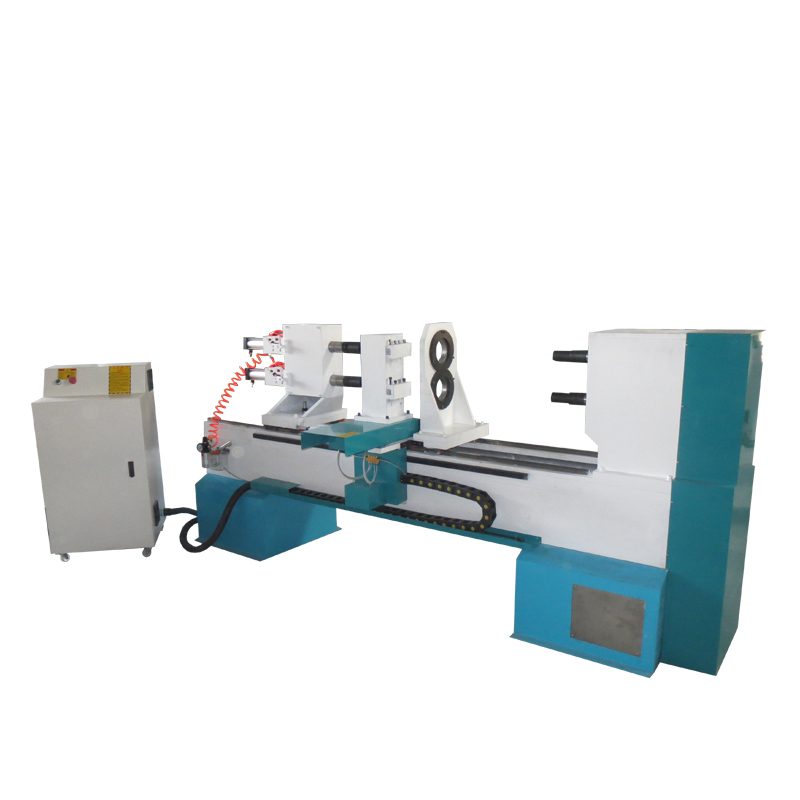
In sports equipment manufacturing, consistent dimensions, smooth surfaces, and efficient production are essential. A 2-axis CNC wood lathe helps manufacturers turn wooden blanks into accurately shaped components while reducing the need for repetitive manual operations.
From wooden baseball bats to sports handles and other turned wooden parts, a CNC wood turning machine can improve production consistency and help manufacturers meet different product specifications.
In this article, we explain how a 2-axis CNC wood lathe works, which sports equipment components it can produce, and what to consider when selecting a suitable machine.
What Is a 2-Axis CNC Wood Lathe?
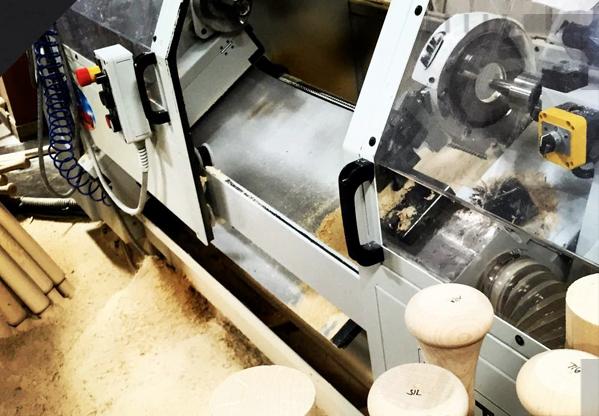
A 2-axis CNC wood lathe is a computer-controlled machine designed to turn wooden workpieces into specific shapes. The workpiece rotates while the cutting tool moves along controlled axes to remove material and create the required profile.
Compared with manual wood turning, CNC machining allows manufacturers to follow programmed dimensions and repeat the same turning process across multiple workpieces.
Typical features and benefits include:
Consistent dimensions: Programmed machining helps maintain the intended shape and size across production batches.
Repeatable production: Stored programs can simplify the production of identical or similar wooden components.
Flexible profile machining: Cutting paths can be adjusted to produce different diameters, tapers, and contours within the machine's capabilities.
Reduced repetitive manual work: Automated tool movement can reduce operator workload during routine production.
Improved production planning: Standardized machining processes help manufacturers organize recurring orders more efficiently.
Actual performance depends on the machine configuration, workpiece dimensions, cutting tools, wood species, and machining parameters.
Applications of a CNC Wood Lathe in Sports Equipment Manufacturing
A CNC wood turning machine is particularly useful for sports equipment components with rotationally symmetrical shapes. The following applications are worth considering.
1. Wooden Baseball Bats
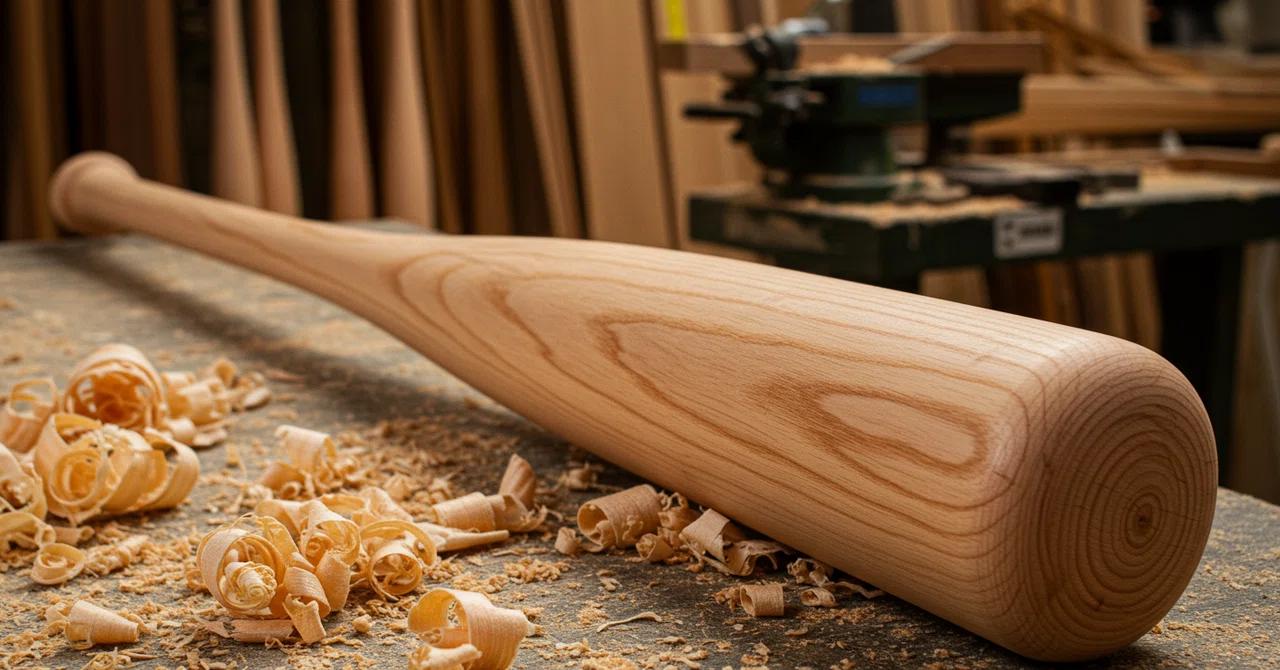
Wooden baseball bats are a typical application for CNC wood turning. A wooden blank can be turned into a bat profile with a barrel, taper, handle, and knob.
A CNC wood lathe helps manufacturers reproduce programmed profiles and maintain more consistent dimensions across batches. Different programs can also support the production of multiple bat designs, provided they fall within the machine's working range.
For baseball bat manufacturing, important considerations include the maximum workpiece length and diameter, spindle performance, cutting-tool selection, and the stability of the wood blank.
2. Wooden Sports Handles and Grips
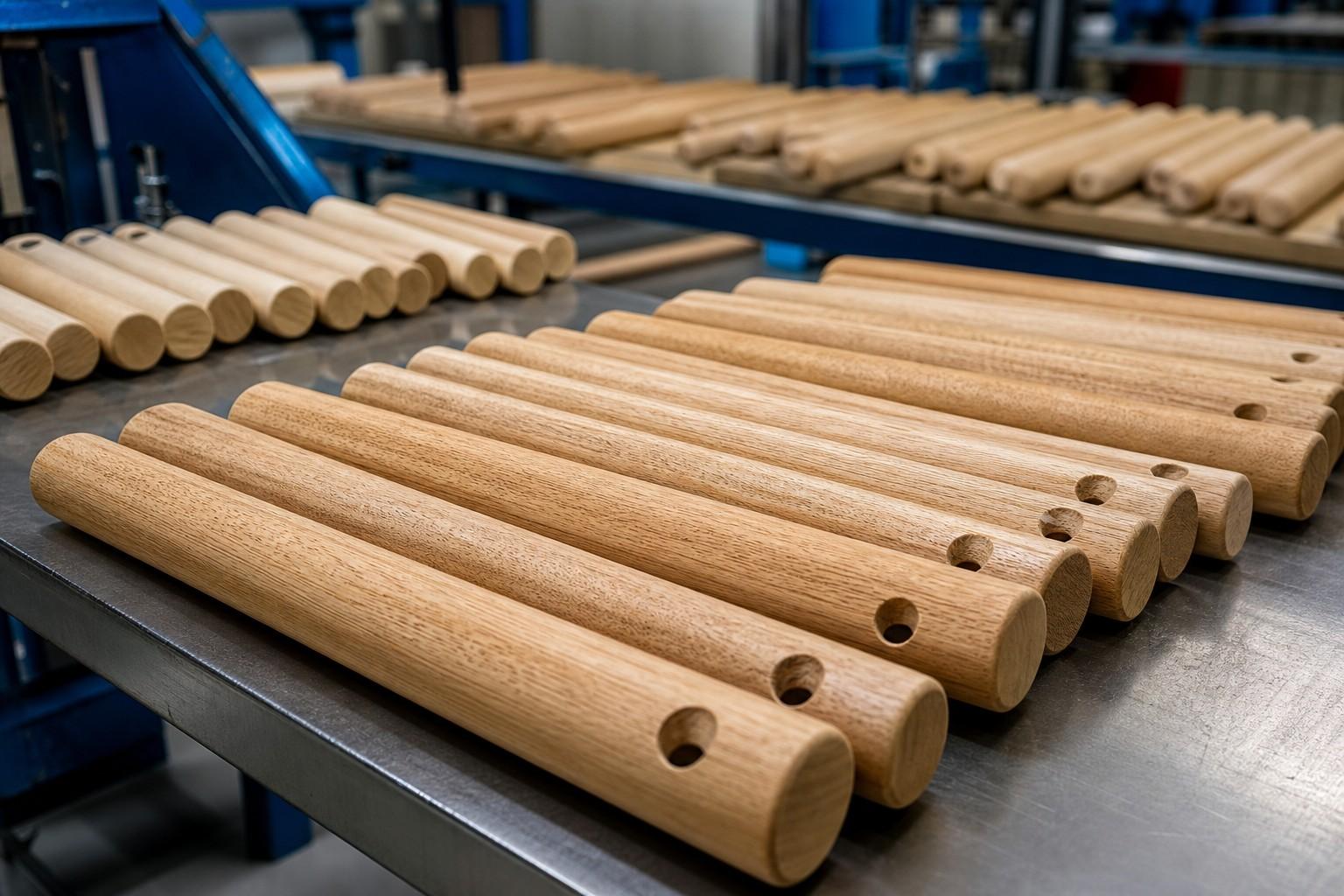
Some sports products use wooden handles or grips with rounded or tapered profiles. Depending on the product design, a 2-axis CNC wood lathe may be suitable for turning these components.
Examples include selected wooden training equipment handles, traditional sports equipment components, and other elongated wooden parts.
The machine's ability to follow a programmed profile helps manufacturers maintain consistent dimensions and produce repeatable shapes.
3. Wooden Training Equipment Components
Certain training products and sports accessories incorporate cylindrical or contoured wooden components. These parts may be suitable for CNC turning when their geometry can be produced through rotational machining.
Before production, manufacturers should confirm the component's dimensions, shape, material requirements, and surface finish.
4. Custom Wooden Sports Accessories
Custom wooden accessories may require different lengths, diameters, tapers, or decorative profiles. A CNC wood lathe can help manufacturers produce these variations by adjusting the machining program.
However, a standard 2-axis wood lathe is not designed to produce every type of sports equipment component. Flat, highly irregular, or non-rotational shapes may require a CNC router, milling machine, or another specialized process.
How Does a 2-Axis CNC Wood Lathe Work?
The machining process typically involves several steps.
Step 1: Prepare the wooden blank
Select a suitable wood blank and inspect it for cracks, knots, excessive moisture, or other defects that could affect machining quality.
Step 2: Secure the workpiece
Mount the blank securely according to the machine manufacturer's instructions. Proper workholding helps reduce vibration and supports safe, stable turning.
Step 3: Set the machining parameters
Prepare the cutting profile and select suitable spindle speed, feed rate, cutting depth, and tooling for the material and workpiece geometry.
Step 4: Perform CNC turning
The machine rotates the workpiece while the cutting tool follows the programmed path. Material is removed until the required profile is achieved.
Step 5: Inspect the finished component
Check the workpiece dimensions, profile, surface quality, and other requirements. Additional sanding or finishing may be necessary depending on the intended application.
Following a consistent process helps manufacturers improve repeatability and identify quality issues before products move to the next production stage.
Consistent Product Dimensions
Sports equipment components often need to meet defined dimensional requirements. CNC turning helps reproduce the same programmed profile, making it easier to maintain consistency across production batches.
Efficient Repetitive Production
Once a machining program has been prepared and verified, it can be reused for compatible workpieces. This reduces repeated manual adjustments and can improve production efficiency.
Flexible Product Designs
Manufacturers may use different machining programs for different profiles and sizes. This flexibility is useful for businesses producing several product models or handling customized orders.
The available range of designs depends on the machine's axes, tooling, workholding system, and working dimensions.
Reduced Manual Workload
Automated tool movement can reduce the amount of manual shaping required during routine turning operations. Operators are still responsible for setup, monitoring, inspection, and maintenance.
Support for Scalable Production
For businesses manufacturing repeated batches of wooden components, CNC turning can help standardize the production process. The actual productivity improvement depends on cycle time, material preparation, loading and unloading, and finishing requirements.
Choosing a suitable machine starts with understanding the parts you need to manufacture.
1. Confirm the Workpiece Dimensions
Check the maximum turning length and diameter required for your products. For wooden baseball bats and long sports handles, workpiece length and stable support are particularly important.
Always compare your actual blank dimensions with the machine's published specifications.
2. Evaluate the Required Turning Profiles
Review the shape of each component. A 2-axis CNC wood lathe is suitable for many cylindrical, tapered, and rotationally symmetrical profiles.
If your product includes complex non-rotational features, you may need additional machining equipment or a different machine configuration.
3. Consider Production Volume
Manufacturers producing the same components repeatedly may benefit from CNC programming and standardized machining procedures.
For smaller batches or frequent product changes, consider how easily the machine can be set up and how much time is needed to change programs and workpieces.
4. Check Spindle and Cutting Performance
Spindle capability, cutting-tool compatibility, machine rigidity, and feed control all influence the turning process.
The right configuration depends on the wood species, workpiece size, required surface quality, and expected production workload.
5. Review Safety and After-Sales Support
Wood turning involves rotating workpieces and cutting tools. Check the machine's safety features and follow the manufacturer's operating instructions.
It is also worth evaluating technical support, spare parts availability, operator training, and maintenance requirements before purchasing.
Wood Selection and Machining Quality
The choice of wood affects the strength, appearance, machinability, and dimensional stability of the finished component.
Wood species should be selected according to the product's intended use and performance requirements. For baseball bats and other sports equipment, manufacturers should also consider grain structure, moisture content, density, and material defects.
To achieve reliable results:
Use suitable, properly prepared wood blanks.
Inspect the material before machining.
Select cutting tools appropriate for the wood species.
Optimize cutting parameters to reduce tear-out and rough surfaces.
Check dimensions and surface quality during production.
Apply sanding, coating, or other finishing processes when required.
A CNC wood lathe can help reproduce a programmed profile, but the final product quality also depends on material selection, tooling, setup, and inspection.
Frequently Asked Questions
What can a 2-axis CNC wood lathe manufacture?
It can manufacture many rotationally symmetrical wooden components, including wooden baseball bats, selected sports handles, cylindrical parts, and other turned wood products. Suitability depends on the component geometry and machine specifications.
Can a CNC wood lathe produce wooden baseball bats?
Yes. A suitably configured CNC wood lathe can turn wooden blanks into baseball bat profiles. Manufacturers should confirm that the machine supports the required length, diameter, workholding method, and production process.
Is a 2-axis CNC wood lathe suitable for mass production?
It can support repetitive production by following stored machining programs. Actual output depends on machining time, loading and unloading, material preparation, finishing, and inspection.
Can one machine produce different wooden sports components?
It may be possible to produce different components by changing programs and setups, provided that the workpieces fall within the machine's capabilities. Components with complex non-rotational shapes may require additional equipment.
How can manufacturers improve the quality of CNC-turned wood products?
Use suitable wood blanks, secure the workpiece correctly, select appropriate cutting tools and parameters, maintain the machine, and inspect finished parts regularly. Additional sanding or finishing may be necessary for some applications.
Conclusion
A 2-axis CNC wood lathe can be a practical solution for manufacturing wooden baseball bats, selected sports handles, and other rotationally symmetrical wooden components.
By combining CNC-controlled turning with suitable materials, tooling, and machining parameters, manufacturers can improve production consistency and reduce repetitive manual work.
Before selecting a machine, evaluate your workpiece dimensions, required profiles, production volume, and quality standards. Choosing a configuration that matches your actual manufacturing needs is the key to achieving reliable results.
If you are looking for a CNC wood turning lathe for your production requirements, contact Eastrise CNC to discuss your workpiece dimensions, application, and suitable machine configuration.


 English


