ERB-1300 Wood Polish Sander for Cabinet Doors and Furniture Panels
The Eastrise ERB-1300 wood polish sander is designed for surface preparation in cabinet, door and furniture production. Combining roller brushes and disc brushes, it helps manufacturers sand suitable wood components before subsequent finishing operations.
With a maximum working width of 1300 mm, a working thickness range of 3–110 mm and an adjustable feeding speed of 6–30 m/min, the ERB-1300 accommodates different panel sizes and production requirements. Abrasive selection and machine settings should match the material, surface profile and desired finish.
What Is the ERB-1300 Wood Polish Sander?
The ERB-1300 is a conveyor-fed woodworking sanding machine equipped with two roller brushes and nine disc brushes. Workpieces travel through the sanding area while the abrasive brush units contact their surfaces.
This arrangement supports repeatable surface preparation for suitable components in batch production. The machine can be integrated into a woodworking workflow after machining and before subsequent finishing steps.
The appropriate sanding sequence depends on the material, its initial surface condition and the finishing process.
Key Features of the ERB-1300
Combined Roller and Disc Brush Sanding
The roller and disc brush arrangement provides different sanding contact directions. With appropriate abrasives and settings, it helps prepare wood surfaces for further finishing.
Performance on grooves, edges and shaped areas depends on the workpiece geometry and whether the brushes can reach the required surfaces. Sample testing helps establish suitable settings while preserving decorative details.
Adjustable Feeding and Sanding Settings
The conveyor feeding speed is adjustable from 6 to 30 m/min. Frequency-inverter speed control allows the sanding groups to be adjusted for different processing requirements.
Operators can use sample trials to balance sanding contact time, surface quality and production speed.
Motorized Worktable Height Adjustment
The worktable height is adjusted using push-button controls and a 0.37 kW lifting motor. This makes setup more convenient when switching between suitable workpiece thicknesses.
Correct table positioning helps control brush engagement with the workpiece surface.
Modular Structure and Accessible Sanding Units
The modular structure allows sanding-unit combinations to be selected according to production requirements.
Pull-out sanding units provide access for abrasive replacement and routine maintenance. Confirm the sanding-unit configuration supplied with your machine before ordering.
Applications in Woodworking Production
Cabinet Door Sanding
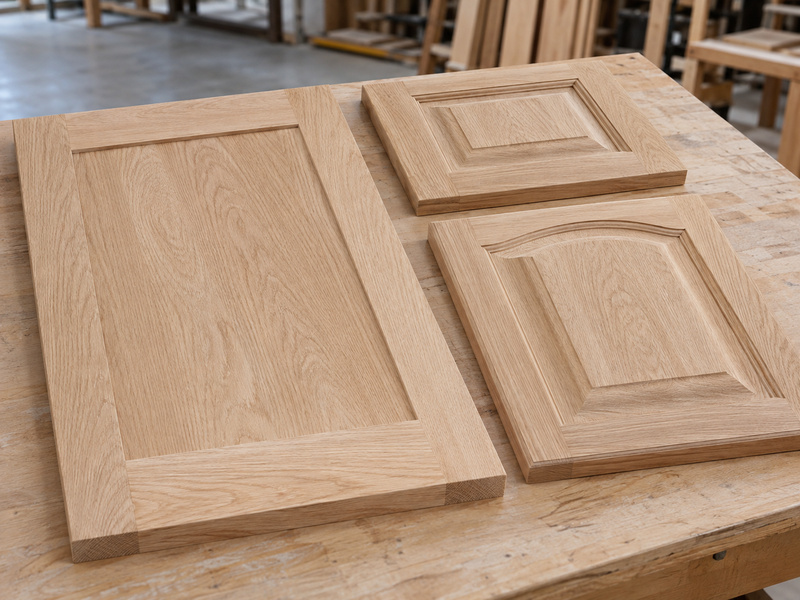
The ERB-1300 supports surface preparation for suitable kitchen cabinet doors and furniture fronts.
For profiled doors, test a representative sample to establish the abrasive grade and brush contact needed. Particular attention should be paid to edges, grooves and decorative details.
Wooden Doors and Window Components
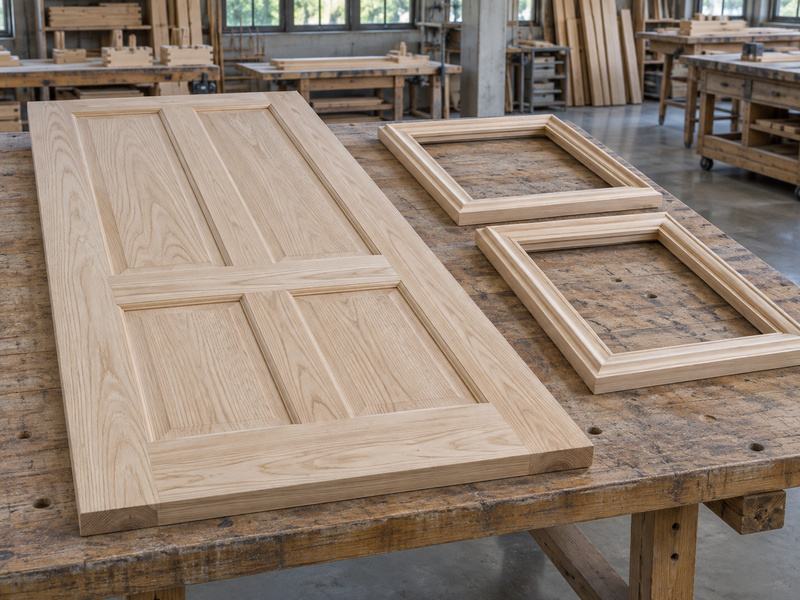
Suitable wooden door panels and window components can be processed within the machine’s dimensional limits.
Workpieces must remain stable during feeding. Shaped surfaces should be inspected to confirm that the abrasives contact the areas requiring sanding.
Furniture Panels and Wood Products
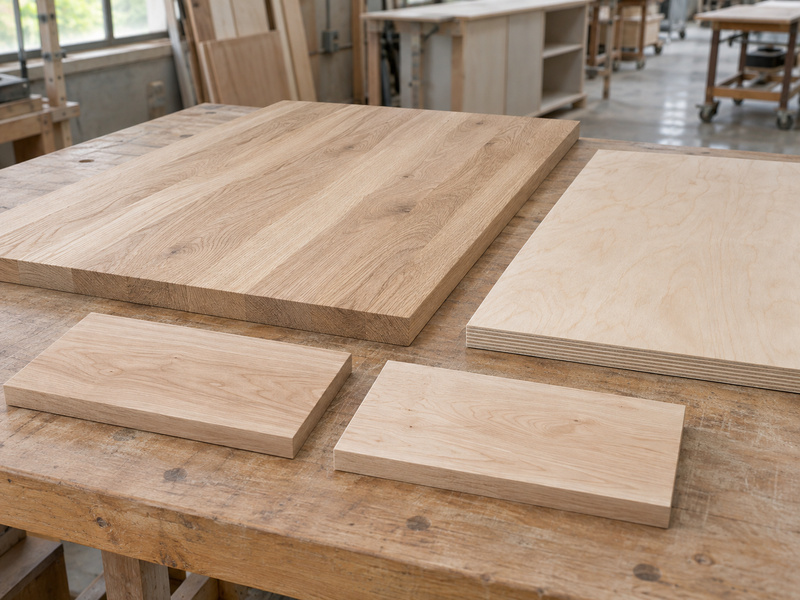
The machine can be used in sanding workflows involving timber, wood panels, blockboard and other compatible wood products.
Material construction and surface condition should guide abrasive selection. Thin surface layers require careful setup to avoid sanding through them.
Technical Specifications
| Parameter | Specification |
| Model | ERB-1300 |
| Brand | Eastrise |
| Maximum working width | 1300 mm |
| Minimum working length | 500 mm |
| Working thickness | 3–110 mm |
| Roller brushes | 2 |
| Disc brushes | 9 |
| Feeding speed | 6–30 m/min |
| Worktable height adjustment | Motorized, push-button control |
| Table lifting motor | 0.37 kW |
| Total power | 11 kW |
| Air pressure | 0.6 MPa |
| Net weight | 1600 kg |
| Listed power supply | 380 V, three-phase, 60 Hz |
How to Select the Right Sanding Setup
Start with the material type, panel dimensions and desired surface condition.
Run a sample before batch production to check abrasive grade, feeding speed, brush speed and worktable height. Inspect broad surfaces, edges and detailed areas, then adjust the setup as required.
Before installation, confirm the electrical supply, compressed-air requirements and suitable dust extraction arrangement. Keep abrasives in serviceable condition and follow the machine’s operating and maintenance instructions.
Frequently Asked Questions
What Is the Maximum Working Width?
The ERB-1300 has a maximum working width of 1300 mm.
What Workpiece Dimensions Can It Process?
The listed working thickness range is 3–110 mm, and the minimum working length is 500 mm. Workpiece shape and feeding stability also affect suitability.
Can the Feeding Speed Be Adjusted?
Yes. The feeding speed can be adjusted from 6 to 30 m/min to suit different sanding requirements.
How Many Sanding Brushes Does It Have?
The listed configuration includes two roller brushes and nine disc brushes.
How Can I Confirm Whether It Suits My Products?
Provide the material type, workpiece dimensions, surface photographs and expected finish. A sample sanding trial can help establish the appropriate abrasives and machine configuration.
Discuss Your Wood Sanding Requirements
For cabinet doors, furniture panels or other wood components, share your workpiece details and production requirements with Eastrise.
Confirm the sanding-unit configuration, electrical supply and processing requirements for your order before arranging installation.


 English



