Galvanized Sheet for Channel Letters: Bending, Benefits, and Applications
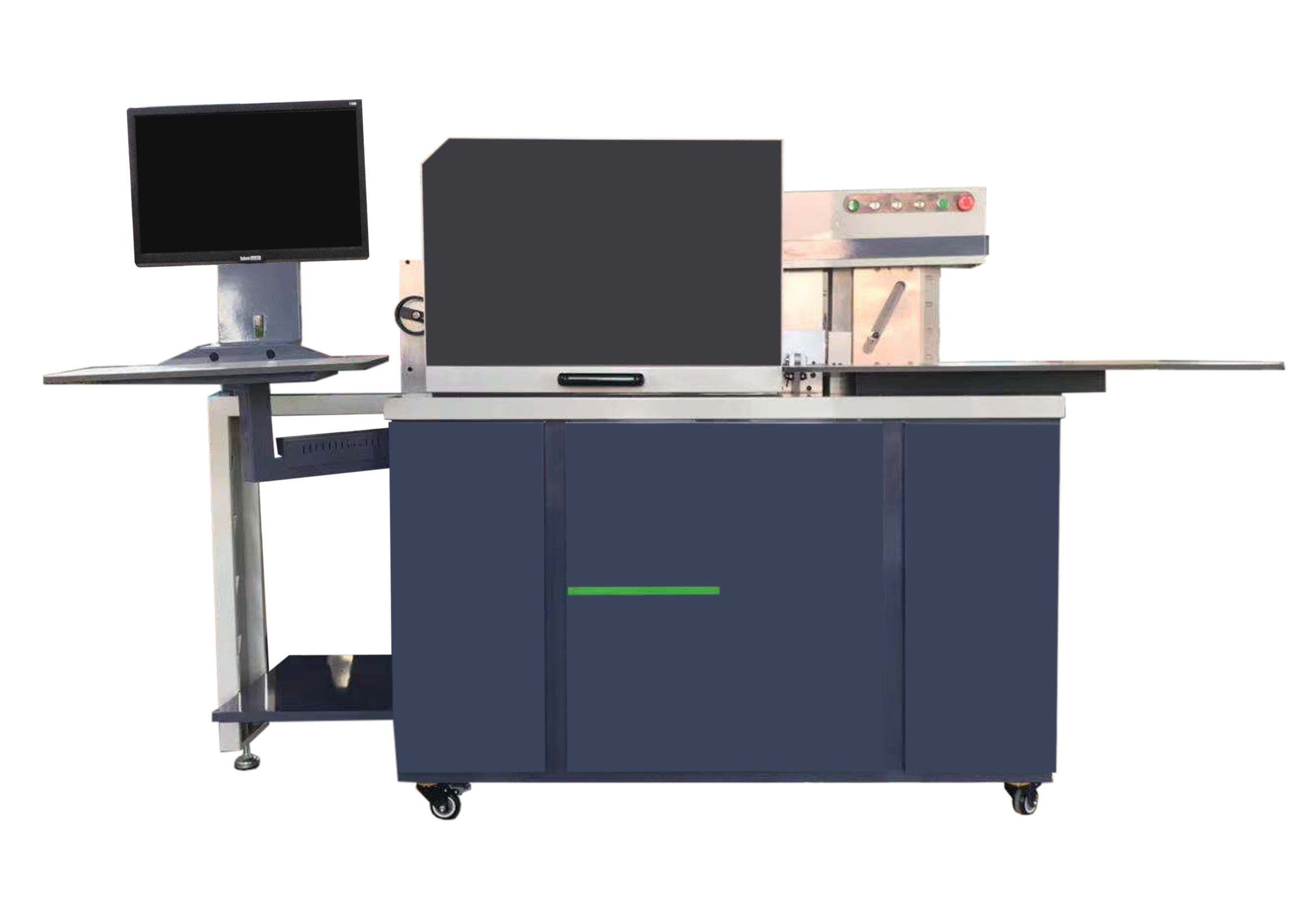
Galvanized steel sheet can be a practical material option for certain channel letter and signage projects. Its zinc coating helps protect the underlying steel from corrosion, while its strength and availability make it worth considering for sign manufacturers who need durable metal components.
However, successful channel letter fabrication depends on more than the material alone. Sheet thickness, coating condition, bending radius, letter design, and machine compatibility all influence the final result.
In this guide, we explain how galvanized sheet is used in channel letter fabrication, what to consider during bending, which signage applications may benefit from it, and how to select a suitable CNC channel letter bending machine.
1. What Is Galvanized Sheet in Channel Letter Fabrication?
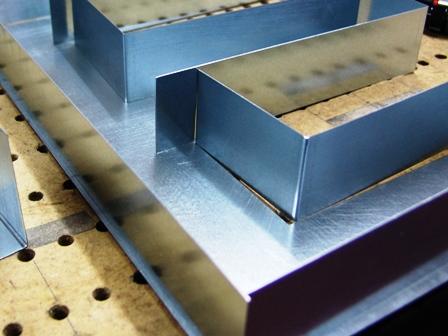
Galvanized sheet is steel coated with zinc to help reduce corrosion. In signage production, compatible galvanized steel strips or sheet-metal components may be formed into parts of three-dimensional letters, logos, and display structures.
A channel letter typically consists of a formed sidewall or return, a face, and a backing or mounting structure. Depending on the design, the finished letter may also include LED lighting.
Galvanized steel is not interchangeable with aluminum in every application. It has different weight, forming behavior, coating characteristics, and corrosion considerations. Before using it for a particular sign, confirm that the material and the proposed construction method meet the project's structural, environmental, and appearance requirements.
2. Benefits of Using Galvanized Steel for Channel Letters
2.1 Zinc Coating Helps Resist Corrosion
The zinc coating provides a protective layer that helps slow corrosion of the underlying steel. This can be useful in signage fabrication where the finished component may be exposed to moisture or changing environmental conditions.
Protection depends on the coating type and thickness, the surrounding environment, and whether the surface is scratched or cut during fabrication. Outdoor signs still require suitable design, installation, finishing, and maintenance.
2.2 Strength for Suitable Sign Components
Steel generally offers higher strength than aluminum at comparable thicknesses, although the finished component's performance also depends on geometry, thickness, joints, and mounting. This can make galvanized steel worth evaluating for specific sign structures or return profiles.
The material should be selected based on the actual design loads and machine capabilities rather than strength alone.
2.3 Material Cost Considerations
Galvanized steel may be a cost-effective option in some markets and applications. The total cost, however, should include material price, weight, processing time, tooling, finishing, installation, and expected service life.
Compare the complete production cost with alternatives such as aluminum before making a material decision.
2.4 Suitable for Different Fabrication Designs
Depending on its grade, thickness, coating, and the machine being used, galvanized sheet can be formed into straight sections and selected curved profiles. The achievable shapes depend on the minimum bending radius, material properties, and the forming method.
For complex fonts or tight curves, test the intended material and design before committing to a production run.
3. How Is Galvanized Sheet Used in Channel Letter Bending?
A CNC channel letter bending machine helps form compatible metal strips into the returns or sidewalls of three-dimensional letters. The exact process depends on the machine design and its supported materials.
Step 1: Prepare the Design
Create the letter outline using compatible sign-design software. Check that the design can be processed by the machine's control software and that the required curves and corners fall within its operating limits.
Step 2: Confirm Material Specifications
Check the steel grade, sheet or strip thickness, width, coating condition, and material dimensions. Confirm that the machine manufacturer explicitly supports the intended galvanized material.
Step 3: Configure the Machine
Set up the appropriate tooling and processing parameters according to the machine manual. Feed settings, bending adjustments, and cutting or notching functions vary between models.
Step 4: Form the Letter Return
Process the material and inspect the resulting shape. Look for uneven curves, unwanted kinks, surface damage, coating cracks, or dimensions that do not match the design.
Step 5: Assemble and Finish the Sign
Assemble the formed return with the appropriate face and backing components. Apply compatible finishing and corrosion-protection measures where required, particularly around cut edges, joints, and exposed surfaces.
For any new material or profile, carry out a test run before producing a complete order.
4. Important Considerations When Bending Galvanized Sheet
Material Thickness and Bending Radius
Thicker steel generally requires greater forming force and may need a larger bending radius. The minimum achievable radius depends on material properties, thickness, tooling, and machine configuration.
Avoid assuming that a setting suitable for aluminum will also work for galvanized steel.
Zinc Coating and Surface Quality
The zinc coating may be affected by aggressive forming, sharp bends, scratches, or unsuitable tooling. Inspect the coating after bending, especially around tight curves and cut edges.
If the coating is damaged, use a repair or finishing method compatible with the material and the project's requirements.
Cutting and Notching
Some channel letter machines incorporate cutting or notching functions, while others require separate equipment or manual preparation. Confirm the machine's supported operations and the quality of the cut required for your design.
Machine Compatibility
Not every letter bender is designed to process galvanized steel. Before purchasing or changing materials, ask the supplier to confirm supported material types, thickness ranges, widths, profiles, and bending limits.
A sample test using your actual material is one of the most useful ways to evaluate compatibility.
Safety and Workshop Ventilation
Follow the machine manufacturer's safety instructions and use suitable personal protective equipment when handling metal edges. If heating, welding, grinding, or other processes are involved, assess the relevant coating-related hazards and follow appropriate ventilation and workplace safety procedures.
5. Applications of Galvanized Sheet in Signage
The most suitable applications depend on the material specification, the finished sign design, and the installation environment.
5.1 Three-Dimensional Channel Letter Components
Compatible galvanized strips can be formed into selected letter returns or sidewall components. These components can then be assembled with suitable faces and backings to create three-dimensional lettering.
5.2 Commercial and Industrial Signage
Galvanized steel may be considered for selected commercial or industrial sign components where its mechanical properties and corrosion protection meet the project's needs. Outdoor use should be assessed carefully, especially in coastal, wet, or chemically aggressive environments.
5.3 Logos and Custom Lettering
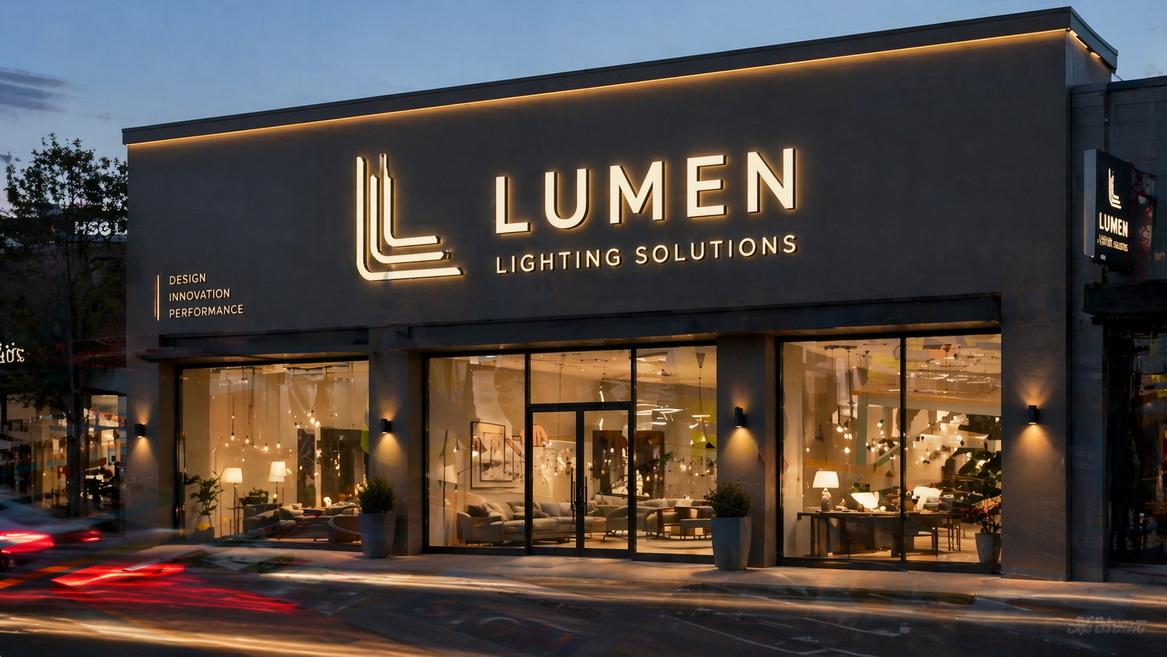
CNC-controlled forming can help sign manufacturers reproduce consistent shapes for logos and custom lettering, provided the material, tooling, and design are supported by the machine.
5.4 Sign Structures and Supporting Components
Depending on the design and engineering requirements, galvanized steel may also be used for selected mounting parts, brackets, or supporting components. These parts should be designed for the expected loads and installation conditions.
Important: Galvanized sheet is not automatically the best choice for every illuminated or outdoor channel letter. Consider weight, coating integrity, electrical components, mounting, drainage, and the complete sign construction before selecting a material.
6. Galvanized Steel vs. Aluminum for Channel Letters
Both materials can be useful in sign manufacturing, but they serve different requirements.
| Factor | Galvanized Steel | Aluminum |
| Corrosion protection | Zinc coating provides protection; damaged areas need attention | Naturally forms a protective oxide layer; additional finishes may be used |
| Weight | Generally heavier at comparable dimensions | Generally lighter |
| Strength | Often higher at comparable thickness, depending on grade | Depends on alloy, temper, thickness, and design |
| Forming | Requires suitable tooling and forming parameters | Also requires material-specific bending settings |
| Surface finish | Zinc-coated appearance or compatible finishing | Available in a range of finishes and coating options |
| Best choice | Depends on structural, environmental, and cost requirements | Often considered when lower weight is important |
The correct choice depends on the intended use, local conditions, design, machine compatibility, and total production cost.
If you plan to process galvanized steel regularly, review these factors before selecting a machine.
Material support: Confirm that the model is designed for the specific galvanized steel you intend to use.
Thickness and width: Match the machine's documented operating range to your materials.
Bending capability: Check the minimum radius and the ability to process your typical fonts and logos.
Cutting and notching functions: Determine whether the required operations are integrated or need separate equipment.
Software compatibility: Make sure the machine supports your design workflow and file formats.
Production requirements: Consider daily output, setup time, operator training, and repeatability.
Service and support: Review technical assistance, spare parts availability, and training options.
When comparing machines, ask the supplier to process a sample using your own galvanized strip and a representative letter design. Evaluate the finished shape, surface condition, dimensions, and overall workflow.
8. Frequently Asked Questions
Can galvanized sheet be used for channel letters?
Yes, compatible galvanized steel can be used for selected channel letter components. Suitability depends on material specifications, the machine's capabilities, letter geometry, and the final installation environment.
Is galvanized steel better than aluminum for channel letters?
Not in every situation. Galvanized steel can offer strength and zinc-based corrosion protection, while aluminum offers lower weight and different forming and finishing characteristics. Choose based on the specific project requirements and total cost.
Will bending damage the zinc coating?
It can, depending on the material, bending radius, tooling, and forming conditions. Inspect test pieces for cracks, scratches, or coating damage, and follow suitable repair procedures where necessary.
Can every CNC channel letter bender process galvanized steel?
No. Machine compatibility varies. Confirm the manufacturer's supported material types, thicknesses, widths, profiles, and processing operations before use.
Is galvanized steel suitable for outdoor signs?
It may be suitable for certain outdoor applications when the material, coating, cut edges, joints, finishing, and installation are appropriate for the environment. More corrosive conditions may require additional protection or a different material choice.
How can I test whether a machine is suitable for my material?
Provide the supplier with your galvanized sheet specifications and a representative letter design. Request a test run and inspect the finished part for dimensional accuracy, curve quality, coating condition, and repeatability.
Conclusion
Galvanized steel can be a useful material for selected channel letter and signage applications when its properties match the design and production requirements. Successful fabrication depends on choosing compatible material, controlling the bending process, protecting the zinc coating, and selecting a machine designed for the intended work.
Before investing in a CNC channel letter bending machine, confirm the supported material range and test your actual galvanized sheet whenever possible.
Looking for a suitable letter bending solution? Contact Eastrise CNC with your material thickness, strip width, sample design, and production requirements to discuss machine compatibility and the appropriate configuration.


 English


