What Affects CNC Plasma Cutting Quality? Key Factors and Practical Solutions
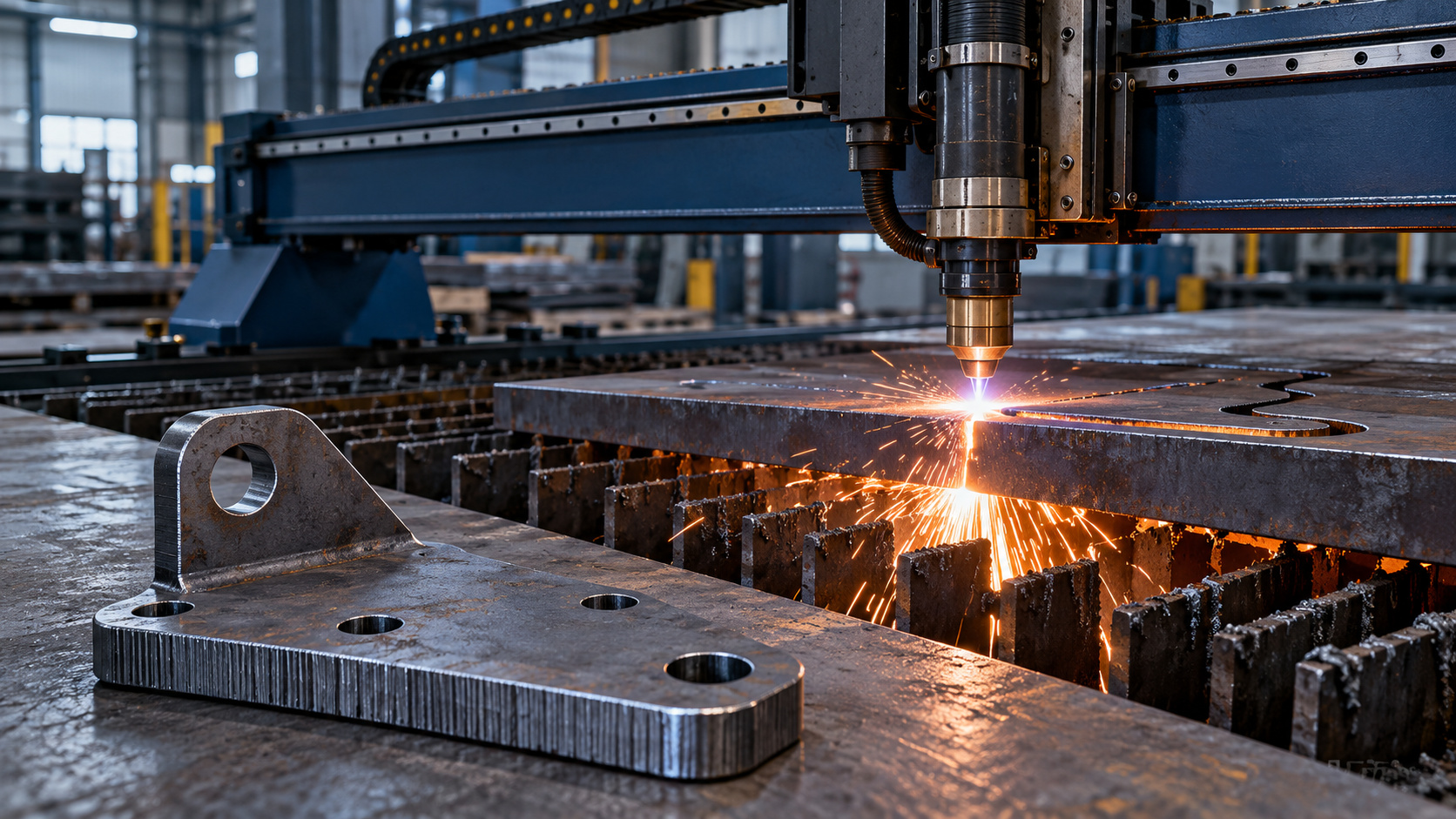
CNC plasma cutting quality depends on the correct combination of cutting current, travel speed, gas supply, torch height, and consumable condition. Material thickness, the plasma system, and machine motion also influence the finished edge.
For consistent results, start with the cutting chart supplied for your plasma power source and torch. Then evaluate a test cut before beginning production. A setting that works well on one material or thickness may not suit another.
1. Electrode Position and Consumable Selection
The electrode and nozzle work together to form and direct the plasma arc. Their geometry and condition affect how consistently the torch cuts.
Electrode setback describes the position of the electrode relative to the nozzle. Operators should install the specified consumable assembly rather than apply a universal setback distance.
Choose consumables approved for the torch, cutting process, and current. Incorrect parts can reduce cutting performance even when the machine settings appear correct.
Inspect consumables when edge quality begins to deteriorate. A damaged nozzle opening, worn electrode, or contaminated component can affect kerf width, edge angle, and dross formation. Replace parts according to the manufacturer’s wear criteria.
2. Cutting Current
Cutting current must match the material thickness and the selected consumables.
Insufficient amperage is one possible cause of incomplete penetration. However, increasing current alone will not resolve every cutting problem. Excessive amperage can contribute to a wider kerf, and the selected nozzle must be suitable for the operating current.
Before changing amperage, confirm that the consumables, cutting speed, and material thickness match the recommended process.
3. Cutting Speed
Travel speed affects penetration, edge appearance, and dross.
Cutting too quickly may prevent the arc from cutting through the plate. Cutting too slowly can produce a heavy accumulation of low-speed dross along the bottom edge.
Use the manufacturer’s recommended speed as a starting point. Inspect a sample cut before making adjustments, and consider the effects of acceleration and deceleration around corners and small features. The objective is a repeatable cut that meets the part’s requirements.
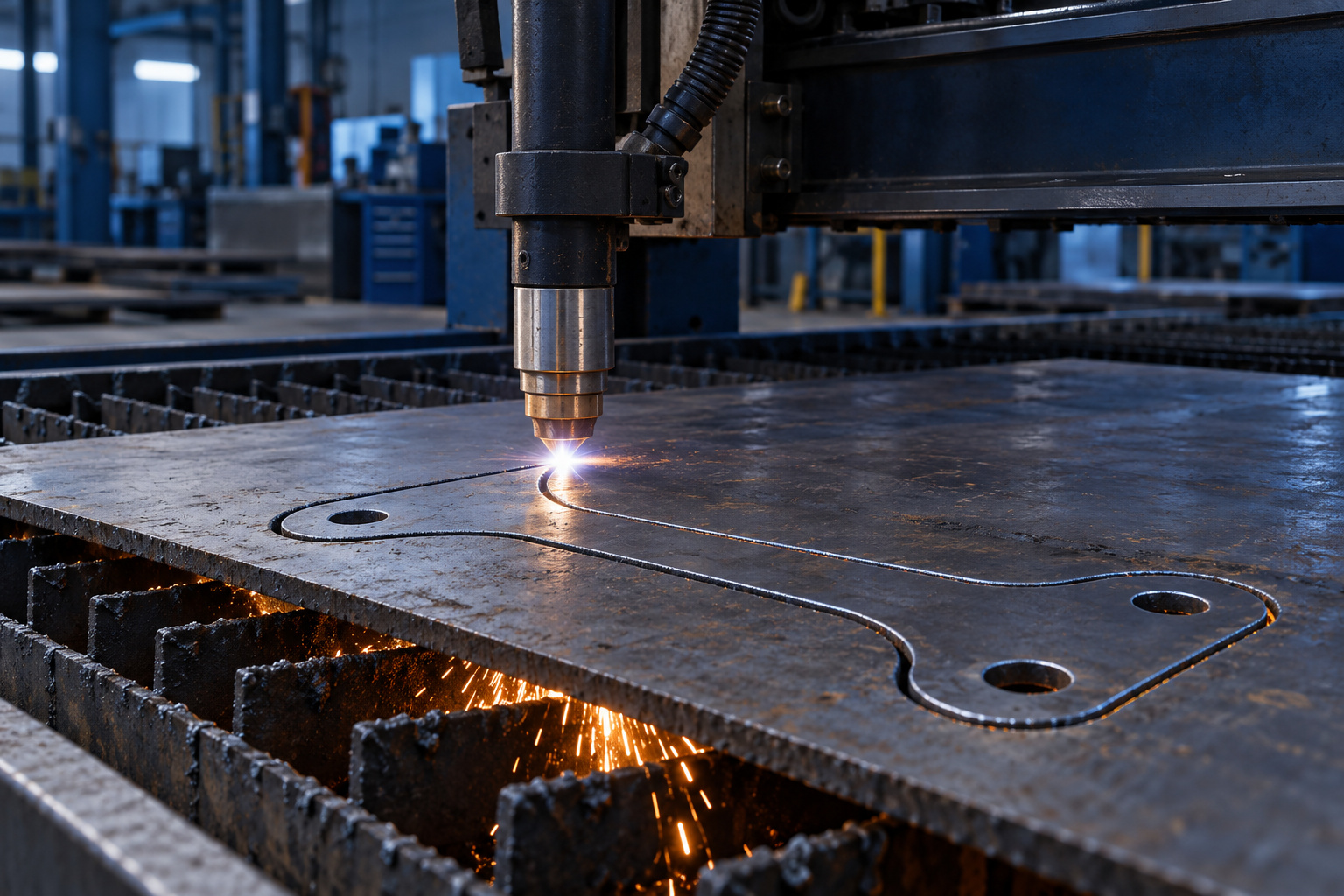
4. Gas Type, Pressure, Flow, and Cleanliness
The gas supply must match the plasma system and the selected cutting process.
Incorrect gas or airflow settings can contribute to incomplete cuts. For air plasma systems, moisture, oil, and particles in the compressed air can also shorten consumable and torch life.
Check the supply against the equipment specifications and maintain the filtration system. Increasing pressure or flow beyond the recommended setting is not a reliable way to improve cutting quality.
5. Arc Voltage and Torch Height Control
Arc voltage and torch height are closely related in CNC plasma cutting. A compatible torch height control system uses arc voltage feedback to help maintain the required distance between the torch and the workpiece.
Use the voltage setting specified for the selected process as the starting point. Verify the actual cutting height when troubleshooting edge angularity.
Open-circuit voltage is a characteristic of the plasma power supply. It should not be treated as a routine quality adjustment or assigned a universal ratio to operating arc voltage. Follow the equipment documentation for the specific system.
6. Cutting Height and Pierce Height
Cutting height is the distance between the torch and the plate during cutting. Pierce height is the distance used when starting a hole through the material.
These settings serve different purposes and should be taken from the appropriate cutting chart. Small changes in torch height can affect cut angularity. Piercing too close to the plate can allow molten metal to damage the nozzle and shield.
Check height settings whenever consumables fail prematurely or cut quality changes unexpectedly.
Applications Where Cut Quality Matters
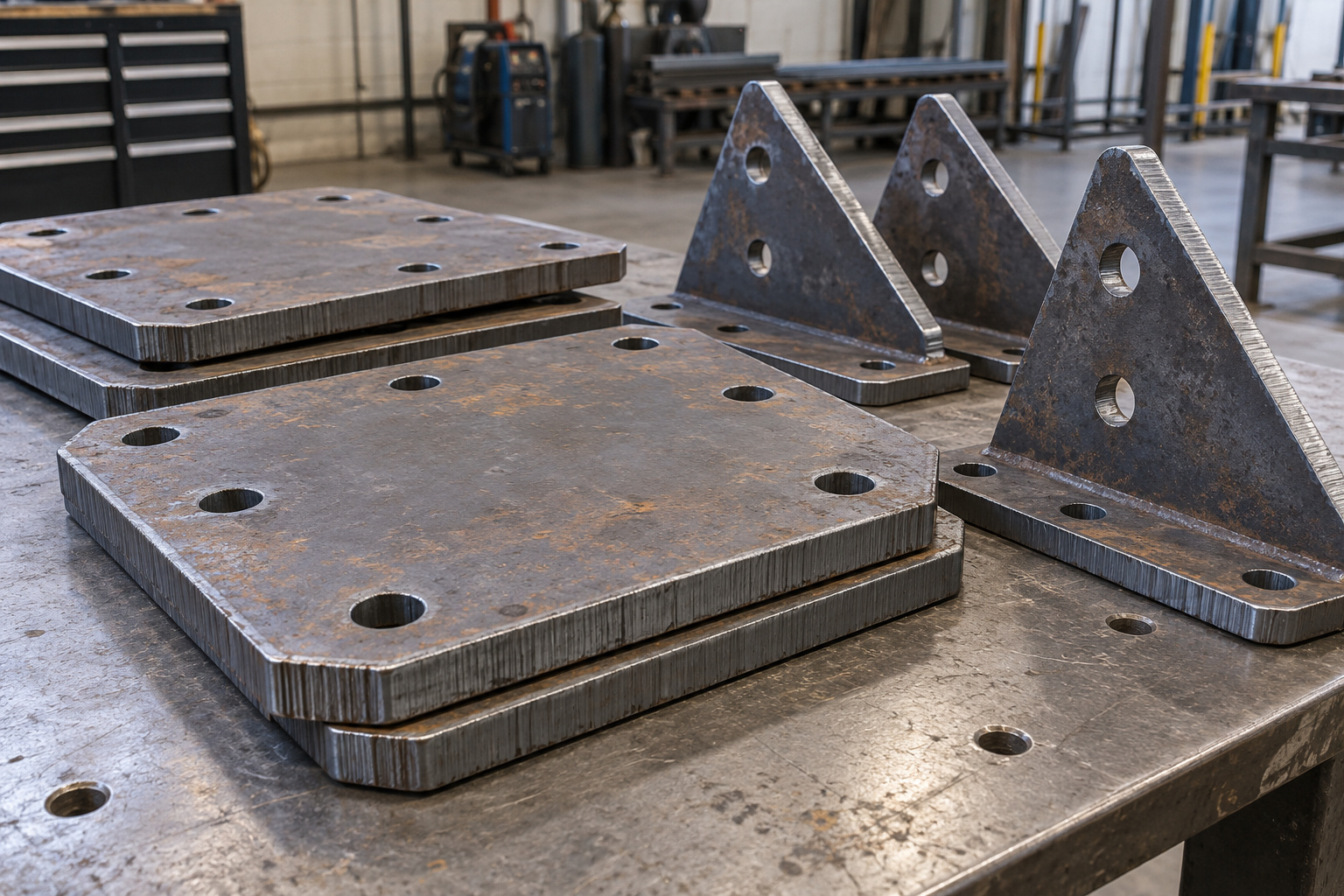
For structural fabrication, parts such as base plates and gussets need consistent dimensions and edges suitable for the specified downstream work. Depending on the tolerance, holes and mating surfaces may require additional machining.
Decorative panels place greater emphasis on visible contours and appearance after finishing. Select a process capable of producing the required feature sizes, then assess the sample after deburring and any planned coating.

Define the acceptance criteria before production: dimensions, edge angle, surface finish, and the amount of secondary processing allowed.
A Practical Check Before Production
Use this sequence to establish a repeatable setup:
Identify the material grade and actual thickness.
Select the recommended process and consumables.
Load the specified current, speed, gas, and height settings.
Inspect consumables and confirm the gas supply.
Cut a sample and measure the result.
Change one variable at a time and record the outcome.
Save successful settings together with the material, thickness, and consumable details. This creates a useful reference for repeat jobs.
Frequently Asked Questions
Why is the plasma cutter not cutting through the plate?
Possible causes include worn consumables, excessive speed, incorrect torch height, insufficient amperage, or unsuitable gas settings. Check these items before increasing power.
Does higher current always produce a better cut?
No. Current must match the consumables and cutting process. Excessive amperage can contribute to a wider kerf.
Can the same settings be used for every material?
No. Select settings for the material, thickness, torch, gas, and required result using the system’s cutting charts.
What information should I provide when selecting a CNC plasma cutting machine?
Provide your material types, thickness range, plate dimensions, typical part drawings, production volume, and required tolerances. These details help Eastrise discuss a suitable machine configuration and the sample cutting needed to evaluate it.


 English



