4 Axis Vertical Stone CNC Carving Machine for Columns and Buddha Statues
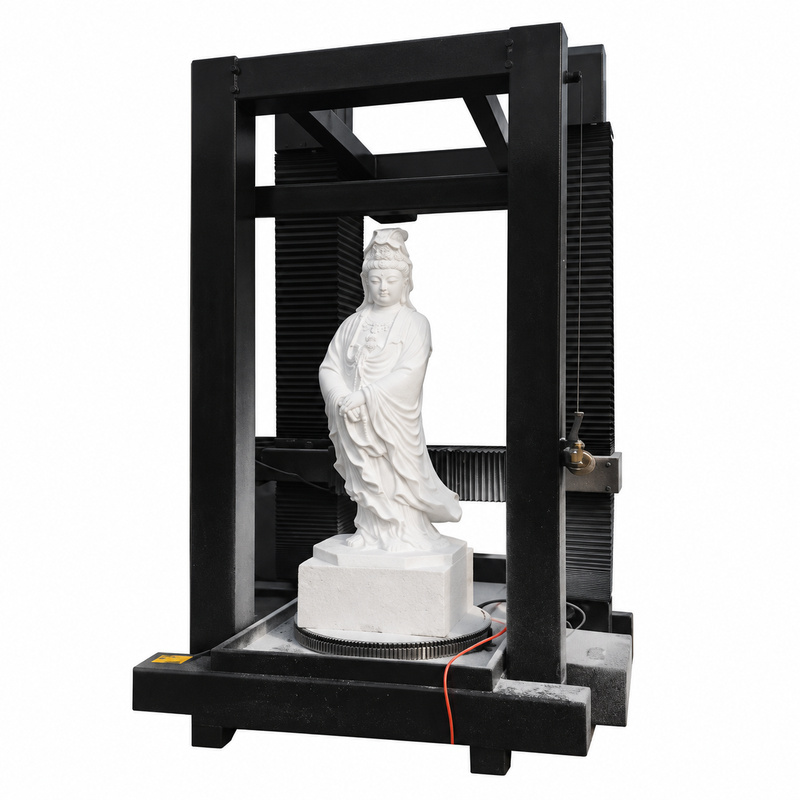
The Eastrise ERS1420V 4 axis vertical stone CNC carving machine is designed for three-dimensional stonework, including columns, Buddha statues and ornamental sculptures. Its vertical layout suits upright workpieces, while the rotary setup provides access around the stone for compatible machining operations.
Choose the machine around the complete stone blank and its fixture—not only the finished sculpture dimensions. Material, weight, tool reach and design complexity all need to be reviewed when planning a project.
What Is a Vertical 4 Axis Stone CNC Carving Machine?
A vertical four-axis stone carving machine uses three linear motion axes together with a rotary workpiece axis. The machining program positions the tool relative to the stone as different areas are presented for carving.
Four-axis capability does not automatically establish which simultaneous machining strategies a particular configuration supports. Confirm the controller, rotary hardware and CAM postprocessor together before selecting a toolpath strategy.
Main Features of the ERS1420V
Vertical machine layout: arranged for upright stone carving projects.
Steel machine structure: a welded frame supports the machining assembly.
Rack-and-pinion transmission and linear guides: provide guided axis movement.
Water supply and cooling system: supports suitable wet stone machining operations.
Protective design: helps shield motion components from water and debris.
Spindle selection: the published configuration lists a 5.5 kW spindle option.
Confirm the included rotary equipment and final component list in the quotation, as the original listing also describes the rotary device as optional.
Buddha Statue and Sculpture Carving
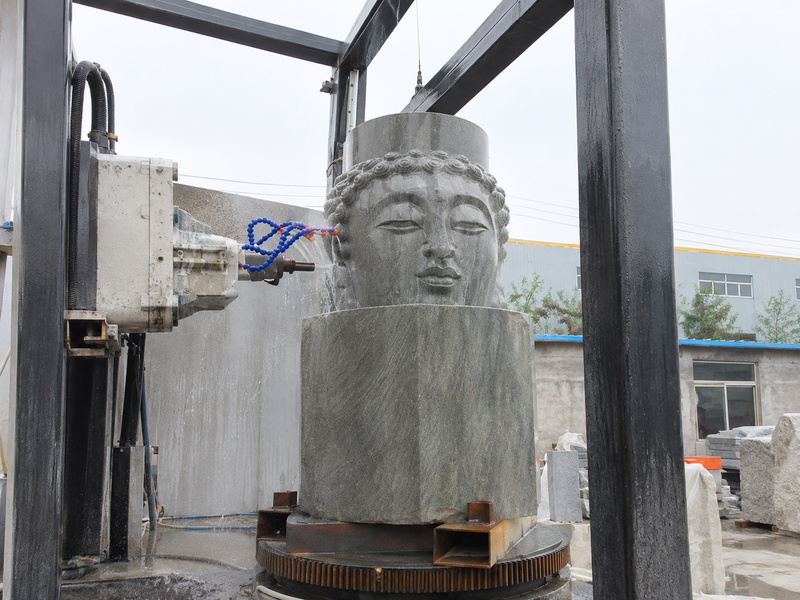
This application includes Buddha heads, religious figures and other sculptural forms. When reviewing a design, pay particular attention to facial details, clothing folds, projecting ornaments and narrow spaces around the arms.
A visible surface in the 3D model is not necessarily reachable by the selected cutter. Ask for a machining review of recessed features and deep undercuts before production. Detail work and final surface finishing should be included in the project plan.
Decorative Stone Statue Applications
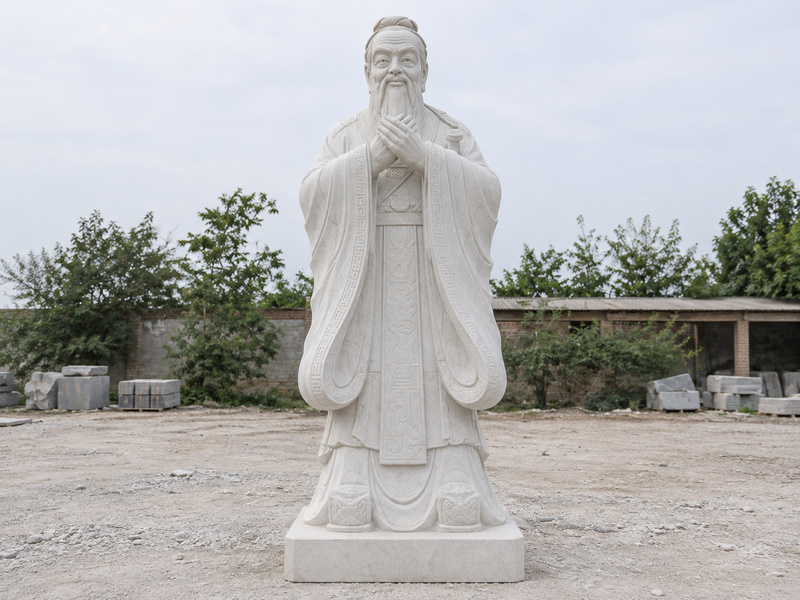
Decorative figures can be used in gardens, architectural landscapes and cultural projects. For a repeated design, a consistent digital model provides a common reference for the machining program.
Review the required appearance of the finished surface separately from the overall shape. Small ornamental details, edge quality and the planned finishing process should be agreed using a representative sample.
Stone Column and Architectural Carving
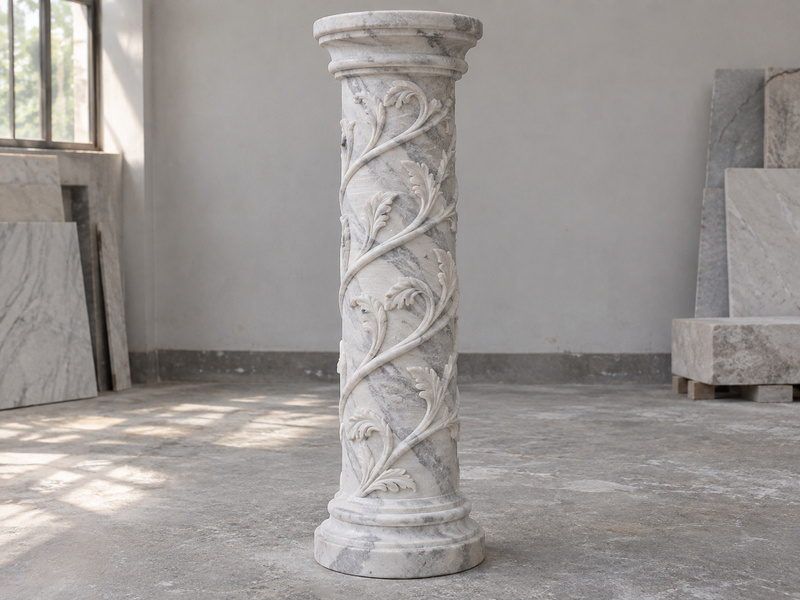
A rotary setup can be considered for decorative columns and cylindrical stone components. Potential designs include shallow relief bands and ornamental patterns around the shaft, subject to tool access and the confirmed machine configuration.
Check the complete rotational clearance, including projecting details, clamps and toolholder space. A nominal linear working range alone does not define the largest column that can be machined.
Materials and Project Evaluation
The original product listing names marble, granite, sandstone and other stones. Treat these as materials for project evaluation rather than a universal guarantee of identical machining performance.
Send the exact stone type, blank dimensions, estimated weight and a drawing or 3D model. Request a sample evaluation where appearance, carving detail or production time is critical. Tooling and process settings should be selected for the actual material and design.
Technical Specifications
| Item | Published specification |
| Model | ERS1420V |
| Listed XYZ working range | 1400 × 1400 × 2000 mm |
| Maximum travel speed | 40 m/min |
| Spindle power | 5.5 kW, optional configuration |
| Spindle speed range | 6,000–24,000 rpm |
| Transmission | Rack and pinion |
| Listed voltage options | 220 V / 380 V |
| Listed tool diameters | 3.175, 4, 6, 8 and 12.7 mm |
Travel speed is not the stone cutting feed rate. The listed working range also does not establish permissible stone weight, rotary diameter or usable carving height. Confirm these limits, electrical requirements and the final machine configuration before purchase.
Frequently Asked Questions
Can it carve an entire statue automatically?
It can perform programmed carving operations on accessible surfaces. The extent of machining depends on the design, workholding, tooling and controller configuration. Review any manual detail work and finishing requirements in advance.
Can it process marble and granite?
Both are named in the original listing. Confirm suitability for your specific stone, blank size and finish requirements through a project review and, where needed, sample machining.
Is a four-axis machine the same as a five-axis machine?
No. An additional axis changes the available relative motion between the tool and workpiece. Assess the actual tool access needed by your design rather than selecting by axis count alone.
What information is needed for a quotation?
Provide the stone material, maximum blank dimensions, weight, drawings or 3D model, required surface appearance, production quantity and local power supply. Ask Eastrise to confirm rotary loading capacity, machining clearance, included equipment and acceptance criteria.
Discuss Your Stone Carving Project
Send your column or statue design to Eastrise for a configuration review. Confirm the workpiece envelope, rotary capacity, tool access and sample expectations so the proposed ERS1420V setup can be assessed against your production needs.


 English



