Double Spindle Stone CNC Router with Rotary Axis for Marble and Granite
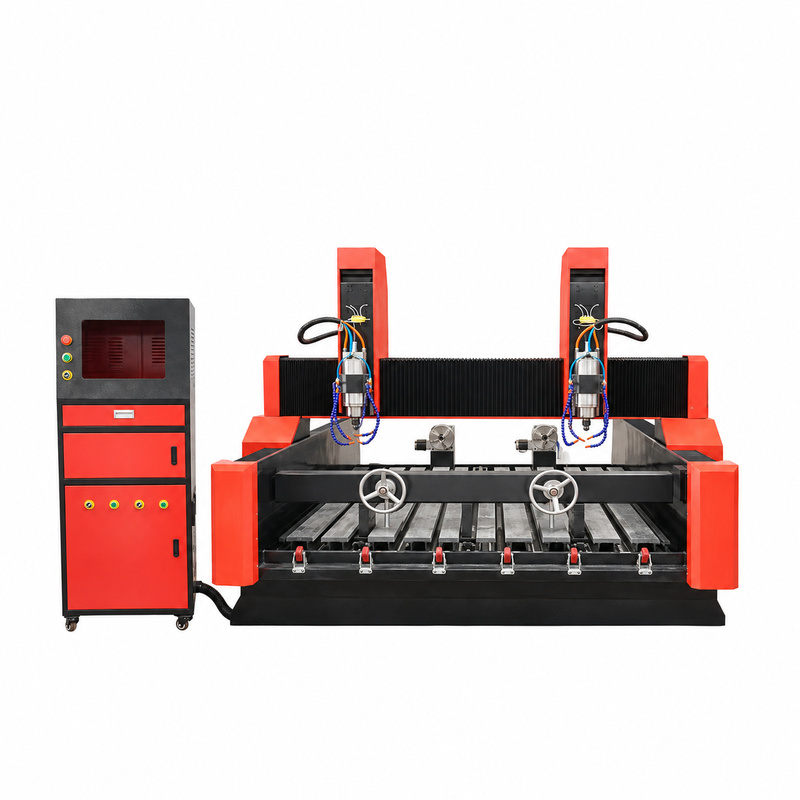
The Eastrise ERS1325RS2 double spindle stone CNC router brings flat-surface carving and rotary stone processing into one machine platform. Its two spindle heads and two rotary devices provide a configuration to evaluate for decorative panels, memorial lettering and cylindrical stone components.
Choose the machine around the complete workpiece, fixture and required tool access. Finished dimensions alone do not establish whether a particular design will fit or can be fully machined.
Flat and Rotary Stone Carving
Flat machining positions a stone panel on the worktable for lettering, outlines and suitable relief designs. Rotary machining holds a compatible blank in a rotating fixture so different areas around its circumference can be presented to the cutter.
The two arrangements serve different workholding requirements. Review the loading method, reference positions and machining clearance for each type of project.
Confirm how the two spindle heads operate in the supplied configuration. Do not assume that they can run unrelated programs independently or that every job will take half the time.
Main Features
The published configuration includes a steel machine structure, water-cooled spindles, a water tank and protection for motion components against water and debris.
When comparing configurations, ask for a component list covering the spindle assemblies, controller, drive system and rotary fixtures. This provides a practical basis for assessing the machine against your drawings and sample requirements.
Evaluate the complete machining setup rather than spindle power alone. Tool selection, workholding and the actual stone also influence the result.
Marble Relief and Decorative Panel Carving
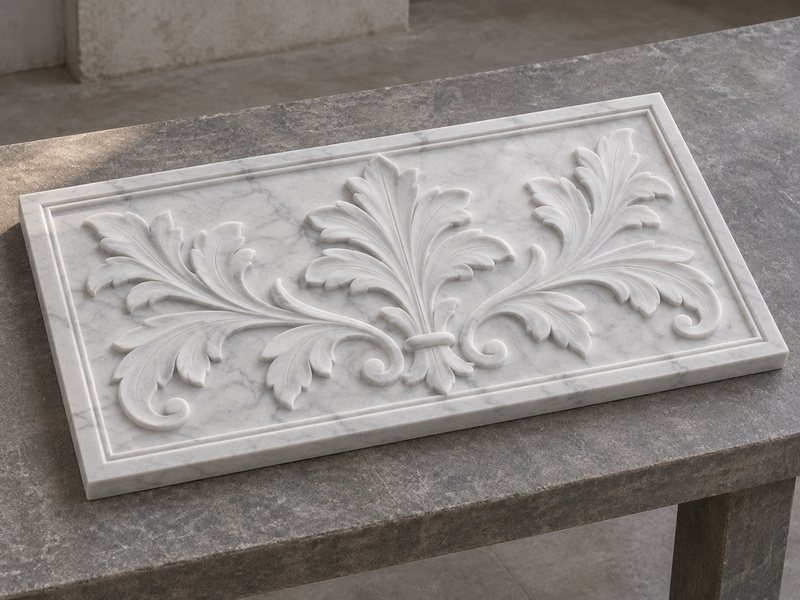
Decorative panel projects can include floral reliefs, geometric borders and architectural motifs. Start with a model that clearly defines the carving depth and the smallest details to be reproduced.
Ask for a tool-access review of narrow grooves, steep walls and recessed areas. A feature that appears in the model may need a different cutter or an additional operation to achieve the intended appearance.
Approve a representative sample for detail and surface quality before producing a repeated set of panels.
Granite Lettering and Memorial Stone Engraving
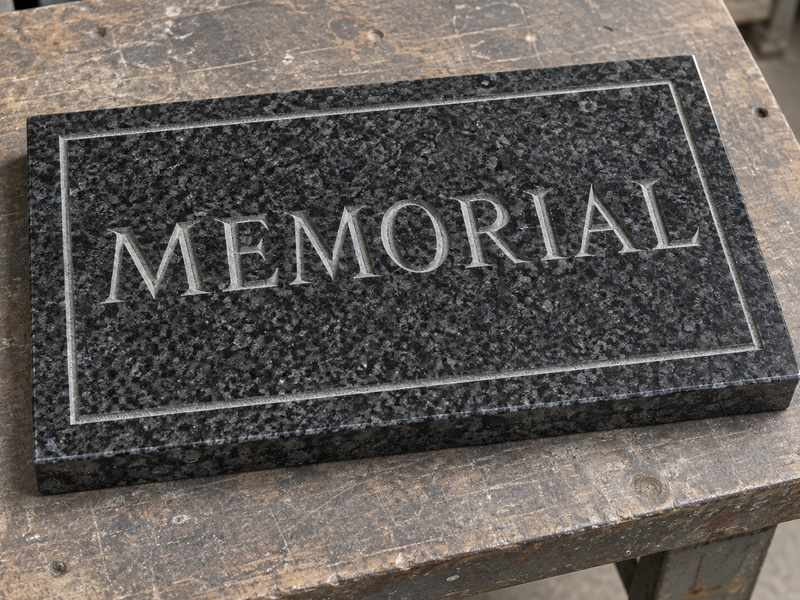
For recessed lettering, provide the font, character height, stroke width and required depth together with the stone specification.
Check small characters and sharp internal corners against the selected tool geometry. Agree on the appearance of the carved surface and whether additional finishing or color filling forms part of the production process.
Use a sample on the intended stone to establish acceptance criteria. A photograph of another material is not a reliable reference for every lettering project.
Rotary Stone Column Carving
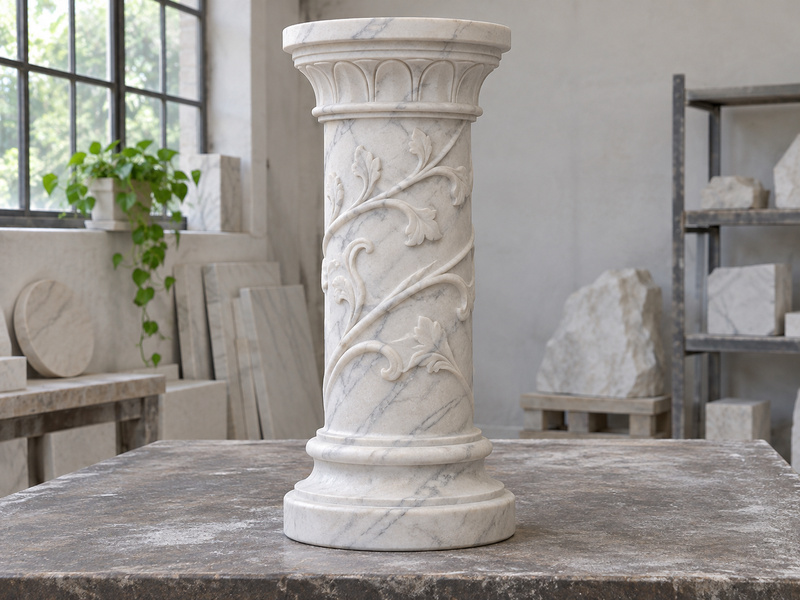
The rotary configuration can be evaluated for cylindrical decorative components, including columns with relief bands or circumferential patterns.
Confirm the maximum blank diameter, supported length, permissible weight and fixture arrangement. Include projecting details and clamping hardware when checking rotational clearance.
A rotating fixture does not guarantee access to every undercut. Deep recesses and hidden surfaces may require additional setups or manual finishing.
Material and Tooling Evaluation
Identify the exact stone type and inspect the blank before preparing the machining process. Marble and granite projects should be evaluated separately, with tooling and process settings selected for the actual material.
For quotation and sample review, provide:
Stone type and surface condition.
Blank dimensions and estimated weight.
Drawing or three-dimensional model.
Required carving depth and smallest details.
Expected surface appearance and production quantity.
Discuss the required water supply, drainage and debris-handling arrangements as part of workshop preparation.
Technical Specifications
| Item | Published specification or confirmation required |
| Model | ERS1325RS2 |
| Spindle heads | 2 |
| Rotary devices | 2 |
| Listed working area | 1300 × 2500 mm |
| 1530 configuration | Confirm availability and actual working area |
| Listed feeding height | 400 mm, customized configuration |
| Listed spindle power | 4.5 kW / 5.5 kW; confirm supplied specification |
| Spindle speed range | 6,000–24,000 rpm |
| Maximum travel speed | 40 m/min |
| Transmission | Rack and pinion |
| Listed controller options | NC Studio / DSP / Mach3 |
| Listed voltage options | 220 V / 380 V |
Feeding height is not the same as usable carving depth. Fixture height, tool length and spindle clearance affect the available machining space. Maximum travel speed is also different from the cutting feed rate.
Confirm the usable area of each head and the rotary loading limits in the final quotation.
Frequently Asked Questions
Can it process both flat panels and round stone blanks?
The machine is offered for flat and rotary stone applications. Confirm the appropriate fixture and usable machining envelope for each project.
Can the two spindles work on different designs?
Ask Eastrise to confirm the head-control arrangement and available operating modes. Two spindle heads do not automatically mean independent machining programs.
Does the rotary axis make it a five-axis machine?
No. A rotary workpiece axis adds rotational motion. Assess the actual axis configuration and tool access required by your design.
Can it produce a finished sculpture without manual work?
The extent of automated machining depends on the geometry and accessible surfaces. Include any additional setups, detail work and final finishing in the project plan.
What information is needed for an accurate quotation?
Send the stone specification, maximum blank dimensions and weight, drawings or models, required finish, production quantity and local electrical supply. Request a sample review for critical features.
Discuss Your Stone Carving Project
Share your panel, lettering or column design with Eastrise. Confirm the workholding, spindle arrangement, rotary capacity and sample expectations to select a configuration that suits your production requirements.


 English



